

Keeping Theatres Performance-Ready in 2026: A Structural Engineering Perspective
- MJ Consulting Engineers

- Jan 7
- 6 min read

As we enter 2026, the theatre industry continues to evolve at pace. Conversations across the sector over the past year have highlighted a familiar but increasingly complex challenge: how to protect historic venues while supporting the technical demands of modern performance.
Theatres are unique environments. They are often architecturally significant buildings, many constructed decades or even centuries ago, yet expected to accommodate ever more ambitious productions. Structural engineering for theatres in 2026 is defined by this tension between heritage and innovation, where early decisions, technical clarity and collaboration are more critical than ever.
Modern Productions in Historic Buildings
Many theatres operating today were never designed for contemporary loads, automation systems or large-scale lighting rigs. Fly towers, roof structures and balcony supports are often working far beyond their original intent, particularly as productions become heavier and more dynamic.
The challenge is not simply increasing capacity, but doing so sensitively. Structural interventions must respect existing fabric, sightlines and acoustics, while remaining discreet and reversible wherever possible. In listed and heritage theatres especially, engineering solutions need to balance performance requirements with conservation principles.
In 2026, structural engineering for theatres increasingly focuses on strengthening and adapting existing structures rather than replacing them. Careful analysis, targeted reinforcement and intelligent load redistribution allow venues to support modern productions without compromising their architectural character.
Programme Pressure and Limited Downtime
One of the defining challenges facing theatre projects is time. Unlike many commercial buildings, theatres rarely have the luxury of extended shutdown periods. Refurbishments, upgrades and strengthening works often need to be carried out between shows or during short dark periods.
This places significant pressure on project teams to deliver buildable, well-coordinated designs that can be installed efficiently. Structural solutions must be practical, clear and robust, allowing contractors to work quickly and safely in constrained conditions.
Early structural input is essential. Understanding what is feasible within a limited programme helps manage expectations and avoids late-stage design changes that can disrupt productions or delay reopening dates. In 2026, successful theatre projects are those where engineering decisions are aligned with operational realities from the outset.
Safety, Compliance and Public Confidence
Safety remains a fundamental concern across the theatre industry. From suspended ceilings and roof structures to audience balconies and stage equipment, theatres rely on structural elements that must perform reliably night after night.
Regulatory expectations continue to evolve, and compliance is no longer just about meeting minimum standards. Theatre owners and operators are increasingly focused on demonstrating proactive risk management and long-term structural integrity.
Structural engineers play a key role in this process, providing detailed inspections, assessments and remediation strategies where required. Integrating compliance seamlessly into refurbishment or upgrade works helps maintain public confidence while minimising disruption to theatre operations.
Sustainability in Theatre Engineering
Sustainability is now a central consideration for theatre projects. In 2026, the focus is shifting from short-term fixes to long-term performance and adaptability.
From a structural perspective, this means making informed choices about materials, reuse and longevity. Retaining and strengthening existing structures often offers significant carbon savings compared to demolition and replacement. Designing interventions that allow for future flexibility also reduces the need for repeated alterations as technology and production styles continue to change.
Structural engineering for theatres increasingly supports sustainability goals by prioritising efficient designs, reducing unnecessary material use and enabling venues to adapt over time without major structural upheaval.
The Value of Early Structural Insight
Across all these challenges, a common theme emerges: the importance of early, informed structural input.
Many of the issues that affect theatre projects in 2026 do not appear at the start. They emerge later, when programme pressure is highest and options are limited. Hidden structural constraints, underestimated loads or unrealistic assumptions can quickly escalate into costly and disruptive problems.
Early engineering involvement allows risks to be identified and managed before they become critical. It supports better coordination between architects, theatre consultants and contractors, and ensures that creative ambition is underpinned by realistic, deliverable solutions.
Looking Ahead
Theatre structural engineering in 2026 is shaped by complexity, expectation and responsibility. The challenge is not simply to make buildings stronger, but to help theatres remain viable, safe and adaptable spaces for performance.
By focusing on early collaboration, buildability, compliance and sustainability, structural engineers can help theatres navigate the pressures of modern production while protecting the character and heritage that make them unique.
As the industry moves forward, the theatres that thrive will be those supported by clear technical leadership and thoughtful engineering strategies - allowing creativity to flourish on stage, supported by structures designed to perform quietly and reliably behind the scenes.
History and Modern Performance Demands
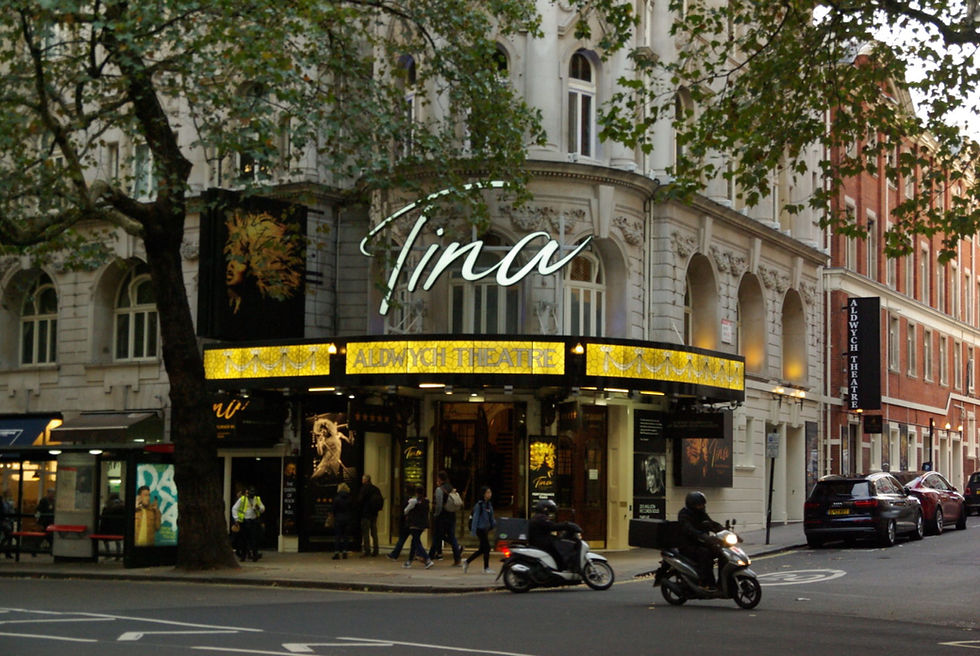
London’s West End theatres are global icons - spaces where heritage, artistry, and engineering meet. Yet behind the ornate plasterwork and velvet curtains, many of these buildings face a hidden challenge: their original stage structures were never designed for today’s technically ambitious productions.
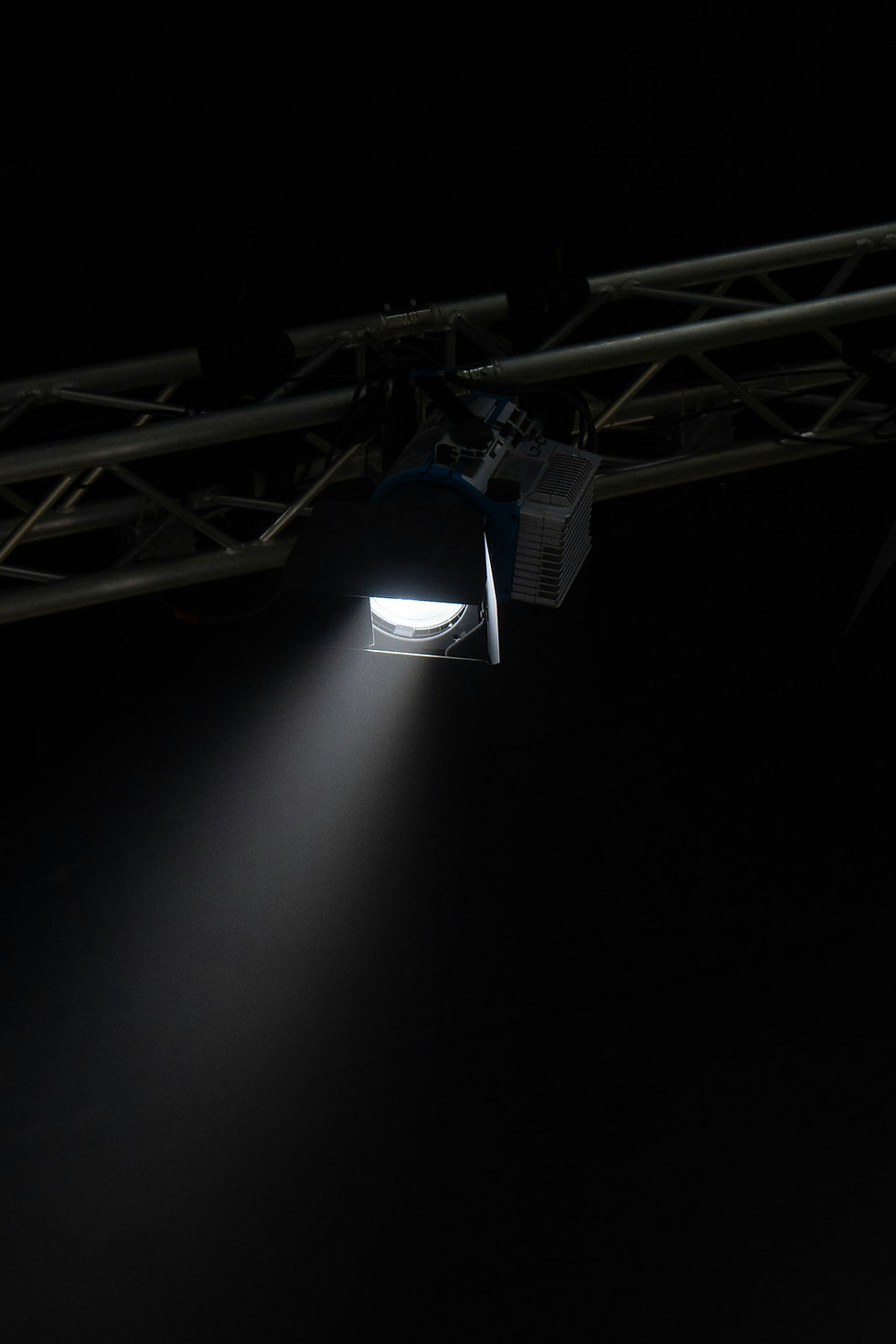
Modern shows demand larger sets, heavier lighting rigs, and complex automation systems - all of which add significant load to the theatre’s structural framework. For theatre owners, operators, and developers, upgrading these systems safely is a technical balancing act between innovation and preservation.
That’s where specialist structural engineering plays a vital role.
Understanding the Rigging Challenge
A theatre’s rigging grid and fly tower are the unsung heroes of live performance. They support lighting, scenery, and stage effects - often with equipment weighing several tonnes. In many older West End venues, these structures were built for manual hemp systems and timber fly galleries, not for modern motorised winches or moving LED walls.
As production demands evolve, the load paths through these structures change dramatically.
Engineers must assess:
Existing load capacities - identifying whether the grid, beams, and connections can handle increased point loads.
Deflection limits - ensuring structural movement doesn’t affect lighting alignment or set stability.
Access and safety - confirming that catwalks, ladders, and maintenance points remain compliant and safe to use.
Without reinforcement, adding new rigging equipment can overstress the structure - a risk no theatre operator can afford.
Engineering Solutions for Fly Tower Reinforcement
Structural upgrades for fly towers typically involve strengthening the steelwork or adding new load paths that discreetly support modern systems. At MJ Consulting Engineers, these interventions are tailored to each theatre’s age, materials, and spatial constraints.
Common solutions include:
Rigging grid strengthening: Installing new primary beams or reinforcement plates to safely carry dynamic loads from automated hoists and lighting bars.
Fly tower bracing: Enhancing lateral stability to resist the increased loads from moving set elements or suspended AV screens.
Independent rigging structures: Introducing self-supporting steel frames that transfer loads directly to ground or basement foundations, avoiding stress on historic roof trusses.
Temporary works and sequencing: Designing phased installations to ensure theatres can continue rehearsals or performances while work progresses.
The result? Venues that retain their architectural integrity while gaining the strength and flexibility needed for contemporary productions.
Heritage Considerations in Theatre Engineering
Working in West End theatres often means working in listed buildings. Any intervention must respect historic materials and minimise disruption to original features.
MJ Consulting Engineers collaborates closely with conservation officers, architects, and theatre consultants to design reversible, low-impact strengthening systems. This may involve:
Concealing steel reinforcements within ceiling voids.
Using bolted, rather than welded, connections to avoid damaging existing fabric.
Coordinating designs to preserve sightlines, acoustic integrity, and visual aesthetics.
It’s a careful balance of preservation and progress - ensuring the show goes on without compromising heritage.
Scheduling Around Performance Demands
Unlike most construction sites, theatres rarely have the luxury of long shutdown periods. Many operate on tight seasonal calendars, with only brief “dark weeks” available for maintenance or refurbishment.
Structural upgrades must therefore be meticulously planned to fit within limited windows. MJC’s team frequently works around performance schedules, coordinating with production crews to manage access and sequencing. This proactive approach minimises downtime - keeping theatres open, safe, and ready for curtain-up.
Future-Proofing London’s Theatres
As technology continues to advance, theatre structures must evolve too. Reinforced grids, adaptable mounting systems, and modular rigging frameworks ensure that future productions can embrace new creative possibilities without costly re-engineering.
MJ Consulting Engineers helps theatre owners and operators future-proof their venues by designing flexible structural systems - engineered with longevity, sustainability, and performance in mind.
Preserving Legacy
Modernising stage rigging and fly towers is far more than a technical exercise - it’s an act of stewardship. By combining structural innovation with deep respect for theatre heritage, engineers like MJ Consulting help ensure London’s West End remains a world leader in live performance.
Every strengthened beam, every reinforced grid, every carefully planned upgrade plays a part in supporting the magic that happens on stage - safely, sustainably, and seamlessly.




Comments